Zookeeper
1.概念
-
Zookeeper 是 Apache Hadoop 项目下的一个子项目,是一个树形目录服务。
-
是一个分布式的开源的分布式应用程序的协调服务
-
提供的功能有
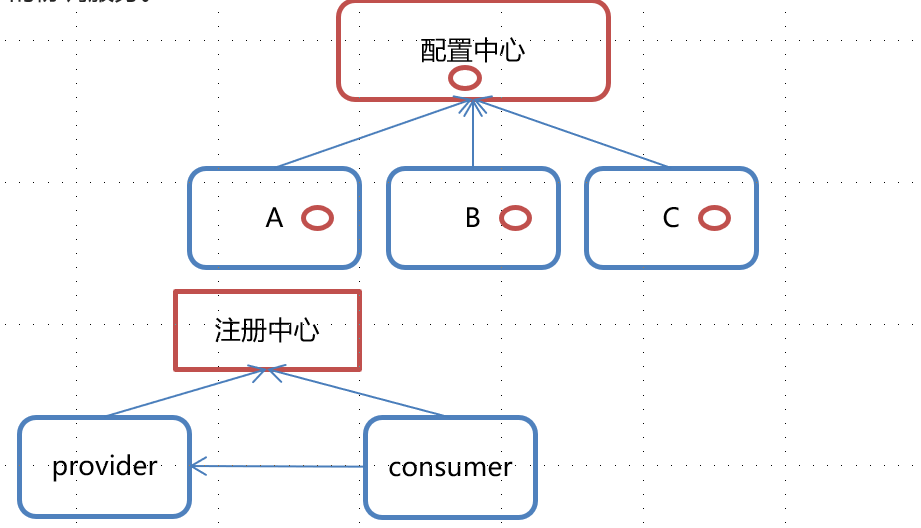
- 配置管理
- 分布式锁
- 集群管理
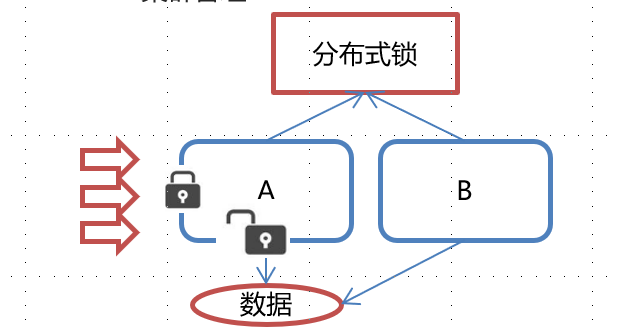
他类似一个配置中心来管理各个客户端保证数据的统一性:即访问不同的服务器得到相同的数据。
二、zookeeper 数据模型
zookeeper是一个属性目录服务、其数据模型和Unix的文件系统相类似,拥有一个层次化的结构。它类似于一个树形的结果如图:
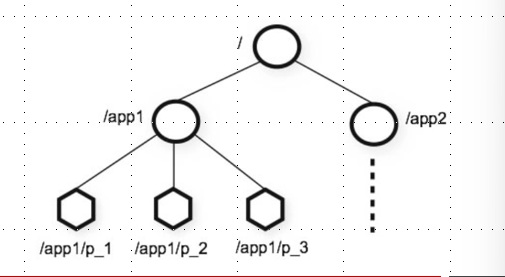
这里的每一个节点都被称为ZNode每个节点都会保存自己的数据和节点的信息。
节点可以拥有自己的子节点,同时页允许少量的数据存储在该节点之下:
节点可以分为四大类:
- PERSISTENT 持久化节点
- EPHEMERAL 临时节点 -e
- PERSISTENT_SEQUENTIAL 持久化顺序节点: -s
- EPHEMERAL_SEQUENTIAL 临时顺序节点:-es
zookeeper服务端常用的命令
- 启动服务zkServer.sh start
- 查看服务zkServer.sh status
- 停止服务zkServer.sh stop
- 重启服务zkServer.sh restart
-
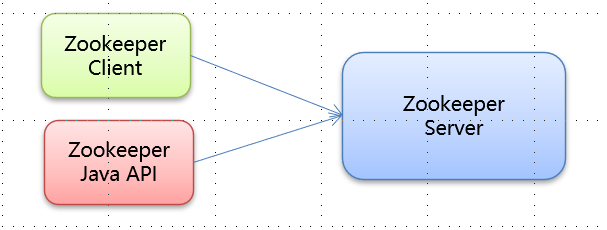
链接服务器端 zkCli.sh -server ip:port
-
断开链接 quit
-
设置节点的值 set /节点path value
-
删除单个节点 delete /节点path 创建临时节点: create -e /节点path 创建顺序节点 create -s /节点path value
-
创建节点 create /节点path value
-
获取节点的值 get /节点path
-
查询节点的详细信息 ls -s /节点path它拥有的内容有
czxid:节点被创建的事务ID
czxid:节点被创建的事务ID
mzxid: 最后一次被更新的事务ID
mtime: 修改时间
pzxid:子节点列表最后一次被更新的事务ID
cversion:子节点的版本号
dataversion:数据版本号
aclversion:权限版本号
ephemeralOwner:用于临时节点,代表临时节点的事务ID,如果为持久节点则为0
dataLength:节点存储的数据的长度
numChildren:当前节点的子节点个数
三、Zookeeper JavaAPI操作
Curator介绍:
Curator是Apache ZooKeeper的Java客户端库
常见的ZooKeeper javaAPI
-
原生Java API 、ZkClient、Curator
-
原生zookeeperAPI的不足:
-
- 连接对象异步创建,需要开发人员自行编码等待
- 连接没有自动重连超时机制
- watcher一次注册生效一次
- 不支持递归创建树形节点
-
curator特点:
-
- 解决session会话超时重连
- watcher反复注册
- 简化开发api
- 遵循Fluent风格的API
- 提供了分布式锁服务、共享计数器、缓存机制等机制
首先导入Maven依赖:
<dependency>
    <groupId>org.apache.curator</groupId>
    <artifactId>curator-framework</artifactId>
    <version>2.6.0</version>
    <type>jar</type>
    <exclusions>
        <exclusion>
            <groupId>org.apache.zookeeper</groupId>
            <artifactId>zookeeper</artifactId>
        </exclusion>
    </exclusions>
</dependency>
<dependency>
    <groupId>org.apache.zookeeper</groupId>
    <artifactId>zookeeper</artifactId>
    <version>3.4.10</version>
    <type>jar</type>
</dependency>
<dependency>
    <groupId>org.apache.curator</groupId>
    <artifactId>curator-recipes</artifactId>
    <version>2.6.0</version>
    <type>jar</type>
</dependency>
它的常用操作有:
- 建立连接
public class CuratorConnection {
        public static void main(String[] args) {
                // 创建连接对象
                CuratorFramework client = CuratorFrameworkFactory
                                .builder()
                                // IP地址端口号
                                .connectString("39.98.67.88:2181,39.98.67.88:2182,39.98.67.88:2183")
                                // 会话超时时间
                                .sessionTimeoutMs(5000)
                                // 重连机制
                                // new RetryOneTime(3000):每三秒重连一次,只重连一次
                                // new RetryNTimes(3, 3000):每每三秒重连一次,共重连3次
                                // new RetryUntilElapsed(10000, 3000):每三秒重连一次,10秒后停止重连
                                // new ExponentialBackoffRetry(1000, 3):重连3次,每次重连的间隔会越来越长
                                .retryPolicy(new ExponentialBackoffRetry(1000, 3))
                                // 命名空间
                                .namespace("create")
                                // 构建连接对象
                                .build();
                // 打开连接
                client.start();
                System.out.println(client.isStarted());
                // 关闭连接
                client.close();
        }
}
- 添加节点
/**
 * 标题:新增节点
 */
public class CuratorCreate {
        CuratorFramework client;

        /**
         * @功能: 获取连接
         */
        @Before
        public void before() {
                // 创建连接对象
                client = CuratorFrameworkFactory
                                .builder()
                                // IP地址端口号
                                .connectString("39.98.67.88:2181,39.98.67.88:2182,39.98.67.88:2183")
                                // 会话超时时间
                                .sessionTimeoutMs(5000)
                                // 重连机制
                                // new RetryOneTime(3000):每三秒重连一次,只重连一次
                                // new RetryNTimes(3, 3000):每每三秒重连一次,共重连3次
                                // new RetryUntilElapsed(10000, 3000):每三秒重连一次,10秒后停止重连
                                // new ExponentialBackoffRetry(1000, 3):重连3次,每次重连的间隔会越来越长
                                .retryPolicy(new ExponentialBackoffRetry(1000, 3))
                                // 命名空间
                                .namespace("create")
                                // 构建连接对象
                                .build();
                // 打开连接
                client.start();
        }

        /**
         * @功能: 新增节点
         */
        @Test
        public void create1() throws Exception {
                String path = client.create()
                                // 节点的类型
                                .withMode(CreateMode.PERSISTENT)
                                // 节点的权限列表 world:anyone:cdrwa
                                .withACL(ZooDefs.Ids.OPEN_ACL_UNSAFE)
                                // 第一个参数:节点的数据
                                // 第二个参数:节点的数据
                                .forPath("/node1", "node1".getBytes());
                System.out.println(path);
        }

        /**
         * @功能: 创建节点并自定义权限列表
         */
        @Test
        public void create2() throws Exception {
                // 权限列表
                List<ACL> acls = new ArrayList<>();
                // 授权模式和授权对象
                Id id = new Id("ip", "39.98.67.88");
                acls.add(new ACL(ZooDefs.Perms.ALL, id));
                String path = client.create()
                                .withMode(CreateMode.PERSISTENT)
                                .withACL(acls)
                                .forPath("/node2", "node2".getBytes());
                System.out.println(path);
        }

        /**
         * @功能: 递归创建节点树
         */
        @Test
        public void create3() throws Exception {
                String path = client.create()
                                // 支持递归节点的创建
                                .creatingParentsIfNeeded()
                                .withMode(CreateMode.PERSISTENT)
                                .withACL(ZooDefs.Ids.OPEN_ACL_UNSAFE)
                                .forPath("/node3/node31", "node31".getBytes());
                System.out.println(path);
        }

        /**
         * @功能: 异步创建节点
         */
        @Test
        public void create4() throws Exception {
                client.create()
                                .creatingParentsIfNeeded()
                                .withMode(CreateMode.PERSISTENT)
                                .withACL(ZooDefs.Ids.OPEN_ACL_UNSAFE)
                                .inBackground(new BackgroundCallback() {
                                        @Override
                                        public void processResult(CuratorFramework curatorFramework, CuratorEvent curatorEvent) throws Exception {
                                                // 节点的路径
                                                System.out.println(curatorEvent.getPath());
                                                // 事件类型
                                                System.out.println(curatorEvent.getType());
                                        }
                                })
                                .forPath("/node4", "node4".getBytes());
                TimeUnit.SECONDS.sleep(1);
        }

        /**
         * @功能: 关闭连接
         */
        @After
        public void after() {
                if (client != null) {
                        client.close();
                }
        }
}
- 删除节点
public class CuratorDelete {
        CuratorFramework client;

        /**
         * @功能: 获取连接
         */
        @Before
        public void before() {
                // 创建连接对象
                client = CuratorFrameworkFactory
                                .builder()
                                // IP地址端口号
                                .connectString("39.98.67.88:2181,39.98.67.88:2182,39.98.67.88:2183")
                                // 会话超时时间
                                .sessionTimeoutMs(5000)
                                // 重连机制
                                // new RetryOneTime(3000):每三秒重连一次,只重连一次
                                // new RetryNTimes(3, 3000):每每三秒重连一次,共重连3次
                                // new RetryUntilElapsed(10000, 3000):每三秒重连一次,10秒后停止重连
                                // new ExponentialBackoffRetry(1000, 3):重连3次,每次重连的间隔会越来越长
                                .retryPolicy(new ExponentialBackoffRetry(1000, 3))
                                // 命名空间
                                .namespace("delete")
                                // 构建连接对象
                                .build();
                // 打开连接
                client.start();
        }

        /**
         * @功能: 删除节点
         */
        @Test
        public void delete1() throws Exception {
                client.delete()
                                // 第一个参数:节点路径
                                .forPath("/node1");
                System.out.println("已删除!");
        }

        /**
         * @功能: 删除节点,并进行版本检测
         */
        @Test
        public void delete2() throws Exception {
                client.setData()
                                // 版本号 -1 标识忽略版本号
                                .withVersion(0)
                                .forPath("/node1");
                System.out.println("已删除");
        }

        /**
         * @功能: 删除包含子节点的节点
         */
        @Test
        public void delete3() throws Exception {
                client.delete()
                                // 如有子节点 则一并删除
                                .deletingChildrenIfNeeded()
                                .withVersion(-1)
                                .forPath("/node1");
                System.out.println("已删除");
        }

        /**
         * @功能: 异步删除节点
         */
        @Test
        public void delete4() throws Exception {
                client.delete()
                                .deletingChildrenIfNeeded()
                                .withVersion(0)
                                .inBackground(new BackgroundCallback() {
                                        @Override
                                        public void processResult(CuratorFramework curatorFramework, CuratorEvent curatorEvent) throws Exception {
                                                System.out.println(curatorEvent.getPath());
                                                System.out.println(curatorEvent.getType());
                                        }
                                })
                                .forPath("/node1");
                TimeUnit.SECONDS.sleep(1);
                System.out.println("已删除");
        }

        /**
         * @功能: 关闭连接
         */
        @After
        public void after() {
                if (client != null) {
                        client.close();
                }
        }
}
- 修改节点
public class CuratorSet {
        CuratorFramework client;

        /**
         * @功能: 获取连接
         */
        @Before
        public void before() {
                // 创建连接对象
                client = CuratorFrameworkFactory
                                .builder()
                                // IP地址端口号
                                .connectString("39.98.67.88:2181,39.98.67.88:2182,39.98.67.88:2183")
                                // 会话超时时间
                                .sessionTimeoutMs(5000)
                                // 重连机制
                                // new RetryOneTime(3000):每三秒重连一次,只重连一次
                                // new RetryNTimes(3, 3000):每每三秒重连一次,共重连3次
                                // new RetryUntilElapsed(10000, 3000):每三秒重连一次,10秒后停止重连
                                // new ExponentialBackoffRetry(1000, 3):重连3次,每次重连的间隔会越来越长
                                .retryPolicy(new ExponentialBackoffRetry(1000, 3))
                                // 命名空间
                                .namespace("set")
                                // 构建连接对象
                                .build();
                // 打开连接
                client.start();
        }

        /**
         * @功能: 更新节点
         */
        @Test
        public void set1() throws Exception {
                Stat stat = client.setData()
                                // 第一个参数:节点路径
                                // 第二个参数:节点的数据
                                .forPath("/node1", "hello".getBytes());
                System.out.println(stat);
        }

        /**
         * @功能: 更新节点,并进行版本检测
         */
        @Test
        public void set2() throws Exception {
                Stat stat = client.setData()
                                // 版本号 -1 标识忽略版本号
                                .withVersion(1)
                                .forPath("/node1", "world".getBytes());
                System.out.println(stat);
        }

        /**
         * @功能: 异步修改节点
         */
        @Test
        public void set3() throws Exception {
                client.setData()
                                .withVersion(2)
                                .inBackground(new BackgroundCallback() {
                                        @Override
                                        public void processResult(CuratorFramework curatorFramework, CuratorEvent curatorEvent) throws Exception {
                                                System.out.println(curatorEvent.getPath());
                                                System.out.println(curatorEvent.getType());
                                        }
                                })
                                .forPath("/node1", "哈哈哈".getBytes());
                TimeUnit.SECONDS.sleep(1);
        }

        /**
         * @功能: 关闭连接
         */
        @After
        public void after() {
                if (client != null) {
                        client.close();
                }
        }
}
- 查询节点
/**
 * 标题:查询节点
 */
public class CuratorGet {
        CuratorFramework client;

        /**
         * @功能: 获取连接
         */
        @Before
        public void before() {
                // 创建连接对象
                client = CuratorFrameworkFactory
                                .builder()
                                // IP地址端口号
                                .connectString("39.98.67.88:2181,39.98.67.88:2182,39.98.67.88:2183")
                                // 会话超时时间
                                .sessionTimeoutMs(5000)
                                // 重连机制
                                // new RetryOneTime(3000):每三秒重连一次,只重连一次
                                // new RetryNTimes(3, 3000):每每三秒重连一次,共重连3次
                                // new RetryUntilElapsed(10000, 3000):每三秒重连一次,10秒后停止重连
                                // new ExponentialBackoffRetry(1000, 3):重连3次,每次重连的间隔会越来越长
                                .retryPolicy(new ExponentialBackoffRetry(1000, 3))
                                // 命名空间
                                .namespace("get")
                                // 构建连接对象
                                .build();
                // 打开连接
                client.start();
        }

        /**
         * @功能: 查询节点内容
         */
        @Test
        public void get1() throws Exception {
                byte[] bytes = client.getData()
                                // 第一个参数:节点路径
                                .forPath("/node1");
                System.out.println(new String(bytes));
        }

        /**
         * @功能: 查询节点属性
         */
        @Test
        public void get2() throws Exception {
                Stat stat = new Stat();
                client.getData()
                                // 读取属性
                                .storingStatIn(stat)
                                .forPath("/node1");
                System.out.println(stat);
        }

        /**
         * @功能: 异步查询节点
         */
        @Test
        public void get3() throws Exception {
                client.getData()
                                .inBackground(new BackgroundCallback() {
                                        @Override
                                        public void processResult(CuratorFramework curatorFramework, CuratorEvent curatorEvent) throws Exception {
                                                System.out.println(curatorEvent.getPath());
                                                System.out.println(curatorEvent.getType());
                                                System.out.println(new String(curatorEvent.getData()));
                                        }
                                })
                                .forPath("/node1");
                TimeUnit.SECONDS.sleep(1);
        }

        /**
         * @功能: 关闭连接
         */
        @After
        public void after() {
                if (client != null) {
                        client.close();
                }
        }
}
- 查询子节点
/**
 * 标题:查询子节点
 */
public class CuratorGetChildren {
        CuratorFramework client;

        /**
         * @功能: 获取连接
         */
        @Before
        public void before() {
                // 创建连接对象
                client = CuratorFrameworkFactory
                                .builder()
                                // IP地址端口号
                                .connectString("39.98.67.88:2181,39.98.67.88:2182,39.98.67.88:2183")
                                // 会话超时时间
                                .sessionTimeoutMs(5000)
                                // 重连机制
                                // new RetryOneTime(3000):每三秒重连一次,只重连一次
                                // new RetryNTimes(3, 3000):每每三秒重连一次,共重连3次
                                // new RetryUntilElapsed(10000, 3000):每三秒重连一次,10秒后停止重连
                                // new ExponentialBackoffRetry(1000, 3):重连3次,每次重连的间隔会越来越长
                                .retryPolicy(new ExponentialBackoffRetry(1000, 3))
                                // 构建连接对象
                                .build();
                // 打开连接
                client.start();
        }

        /**
         * @功能: 查询子节点内容
         */
        @Test
        public void getChildren1() throws Exception {
                List<String> childrens = client.getChildren()
                                // 第一个参数:节点路径
                                .forPath("/get");
                childrens.forEach(System.out::println);
        }

        /**
         * @功能: 异步查询子节点
         */
        @Test
        public void getChildren2() throws Exception {
                client.getChildren()
                                .inBackground(new BackgroundCallback() {
                                        @Override
                                        public void processResult(CuratorFramework curatorFramework, CuratorEvent curatorEvent) throws Exception {
                                                curatorEvent.getChildren().forEach(System.out::println);
                                        }
                                })
                                .forPath("/get");
                TimeUnit.SECONDS.sleep(3);
        }

        /**
         * @功能: 关闭连接
         */
        @After
        public void after() {
                if (client != null) {
                        client.close();
                }
        }
}
- 检查节点是否存在
/**
      * @功能: 判断节点是否存在
      */
     @Test
     public void exists1() throws Exception {
             Stat stat = client.checkExists()
                             // 第一个参数:节点路径
                             .forPath("/node2");
             System.out.println(stat);
     }

     /**
      * @功能: 异步判断节点是否存在
      */
     @Test
     public void exists2() throws Exception {
             client.checkExists()
                             .inBackground(new BackgroundCallback() {
                                     @Override
                                     public void processResult(CuratorFramework curatorFramework, CuratorEvent curatorEvent) throws Exception {
                                             System.out.println(curatorEvent.getPath());
                                             System.out.println(curatorEvent.getType());
                                             System.out.println(curatorEvent.getStat());
                                     }
                             })
                             .forPath("/node1");
             TimeUnit.SECONDS.sleep(3);
     }
- Watch事件监听
curator提供了两种Watcher(Cache)来监听结点的变化:
-
NodeCache:
-
- 只是监听某一个特定的节点,监听节点的新增和修改。
-
PathChildrenCache:
-
- 监控一个ZNode的子节点. 当一个子节点增加、更新、删除时, Path Cache会改变它的状态, 会包含最新的子节点, 子节点的数据和状态。
-
```java
/**
- 标题:事件监听机制
*/
public class CuratorWatcher {
- 标题:事件监听机制
         CuratorFramework client;

         /**
          * @功能: 获取连接
          */
         @Before
         public void before() {
                 // 创建连接对象
                 client = CuratorFrameworkFactory
                                 .builder()
                                 // IP地址端口号
                                 .connectString("39.98.67.88:2181,39.98.67.88:2182,39.98.67.88:2183")
                                 // 会话超时时间
                                 .sessionTimeoutMs(5000)
                                 // 重连机制
                                 // new RetryOneTime(3000):每三秒重连一次,只重连一次
                                 // new RetryNTimes(3, 3000):每每三秒重连一次,共重连3次
                                 // new RetryUntilElapsed(10000, 3000):每三秒重连一次,10秒后停止重连
                                 // new ExponentialBackoffRetry(1000, 3):重连3次,每次重连的间隔会越来越长
                                 .retryPolicy(new ExponentialBackoffRetry(1000, 3))
                                 // 构建连接对象
                                 .build();
                 // 打开连接
                 client.start();
         }

         /**
          * @功能: 监视某个节点的数据变化
          */
         @Test
         public void watcher1() throws Exception {
                 // 参数1:连接对象
                 // 参数2:监视的节点路径
                 final NodeCache nodeCache = new NodeCache(client, "/watcher1");
                 // 启动解释器对象
                 nodeCache.start();
                 nodeCache.getListenable().addListener(new NodeCacheListener() {
                         // 节点变化时回调的方法
                         @Override
                         public void nodeChanged() throws Exception {
                                 System.out.println(nodeCache.getCurrentData().getPath());
                                 System.out.println(new String(nodeCache.getCurrentData().getData()));
                                 System.out.println(nodeCache.getCurrentData().getStat());
                         }
                 });
                 TimeUnit.SECONDS.sleep(30);
                 // 关闭监视器对象
                 nodeCache.close();
         }

         /**
          * @功能: 监视某子节点的数据变化
          */
         @Test
         public void watcher2() throws Exception {
                 // 参数1:连接对象
                 // 参数2:监视的节点路径
                 // 参数3:事件中是否可以获取节点的数据
                 final PathChildrenCache pathChildrenCache = new PathChildrenCache(client, "/watcher1", true);
                 // 启动解释器对象
                 pathChildrenCache.start();
                 pathChildrenCache.getListenable().addListener(new PathChildrenCacheListener() {
                         // 当子节点方法变化时回调的方法
                         @Override
                         public void childEvent(CuratorFramework curatorFramework, PathChildrenCacheEvent pathChildrenCacheEvent) throws Exception {
                                 // 节点的事件类型
                                 System.out.println(pathChildrenCacheEvent.getType());
                                 // 节点的路径
                                 System.out.println(pathChildrenCacheEvent.getData().getPath());
                                 // 节点的数据
                                 System.out.println(new String(pathChildrenCacheEvent.getData().getData()));
                         }
                 });
                 TimeUnit.SECONDS.sleep(30);
                 // 关闭监视器对象
                 pathChildrenCache.close();
         }

         /**
          * @功能: 关闭连接
          */
         @After
         public void after() {
                 if (client != null) {
                         client.close();
                 }
         }
}
- Curator事务

```java
/**
 * 标题:事务
 */
public class CuratorTransaction {
        CuratorFramework client;

        /**
         * @功能: 获取连接
         */
        @Before
        public void before() {
                // 创建连接对象
                client = CuratorFrameworkFactory
                                .builder()
                                // IP地址端口号
                                .connectString("39.98.67.88:2181,39.98.67.88:2182,39.98.67.88:2183")
                                // 会话超时时间
                                .sessionTimeoutMs(5000)
                                // 重连机制
                                // new RetryOneTime(3000):每三秒重连一次,只重连一次
                                // new RetryNTimes(3, 3000):每每三秒重连一次,共重连3次
                                // new RetryUntilElapsed(10000, 3000):每三秒重连一次,10秒后停止重连
                                // new ExponentialBackoffRetry(1000, 3):重连3次,每次重连的间隔会越来越长
                                .retryPolicy(new ExponentialBackoffRetry(1000, 3))
                                // 命名空间
                                .namespace("create")
                                // 构建连接对象
                                .build();
                // 打开连接
                client.start();
        }

        /**
         * @功能: 事务
         */
        @Test
        public void transaction1() throws Exception {
                // 开启事务
                Collection<CuratorTransactionResult> collection = client.inTransaction()
                                .create()
                                .withMode(CreateMode.PERSISTENT)
                                .withACL(ZooDefs.Ids.OPEN_ACL_UNSAFE)
                                .forPath("/node1", "node1".getBytes())
                                .and()
                                .create().forPath("/node2", "node2".getBytes())
                                .and()
                                // 提交事务
                                .commit();
                System.out.println(collection);
        }

        /**
         * @功能: 关闭连接
         */
        @After
        public void after() {
                if (client != null) {
                        client.close();
                }
        }
}
- Curator分布式锁实现
/**
 * 标题:分布式锁
 */
public class CuratorLock {
        CuratorFramework client;

        /**
         * @功能: 获取连接
         */
        @Before
        public void before() {
                // 创建连接对象
                client = CuratorFrameworkFactory
                                .builder()
                                // IP地址端口号
                                .connectString("39.98.67.88:2181,39.98.67.88:2182,39.98.67.88:2183")
                                // 会话超时时间
                                .sessionTimeoutMs(5000)
                                // 重连机制
                                // new RetryOneTime(3000):每三秒重连一次,只重连一次
                                // new RetryNTimes(3, 3000):每每三秒重连一次,共重连3次
                                // new RetryUntilElapsed(10000, 3000):每三秒重连一次,10秒后停止重连
                                // new ExponentialBackoffRetry(1000, 3):重连3次,每次重连的间隔会越来越长
                                .retryPolicy(new ExponentialBackoffRetry(1000, 3))
                                // 构建连接对象
                                .build();
                // 打开连接
                client.start();
        }

        /**
         * @功能: 排他锁
         */
        @Test
        public void lock1() throws Exception {
                // 参数1:连接对象
                // 参数2:节点路径
                InterProcessLock interProcessLock = new InterProcessMutex(client, "/lock1");
                System.out.println("等待获取锁对象");
                // 获取锁
                interProcessLock.acquire();
                for (int i = 0; i < 5; i++) {
                        TimeUnit.SECONDS.sleep(1);
                        System.out.println(i);
                }
                System.out.println("等待释放锁");
                // 释放锁
                interProcessLock.release();
        }

        /**
         * @功能: 读写锁 - 读锁
         */
        @Test
        public void lock2() throws Exception {
                // 读写锁
                InterProcessReadWriteLock readWriteLock = new InterProcessReadWriteLock(client, "/lock1");
                // 获取读锁对象
                InterProcessMutex interProcessMutex = readWriteLock.readLock();
                System.out.println("等待获取锁对象");
                // 获取锁
                interProcessMutex.acquire();
                for (int i = 0; i < 10; i++) {
                        TimeUnit.SECONDS.sleep(1);
                        System.out.println(i);
                }
                System.out.println("等待释放锁");
                // 释放锁
                interProcessMutex.release();
        }

        /**
         * @功能: 读写锁 - 写锁
         */
        @Test
        public void lock3() throws Exception {
                // 读写锁
                InterProcessReadWriteLock readWriteLock = new InterProcessReadWriteLock(client, "/lock1");
                // 获取读锁对象
                InterProcessMutex interProcessMutex = readWriteLock.writeLock();
                System.out.println("等待获取锁对象");
                // 获取锁
                interProcessMutex.acquire();
                for (int i = 0; i < 10; i++) {
                        TimeUnit.SECONDS.sleep(1);
                        System.out.println(i);
                }
                System.out.println("等待释放锁");
                // 释放锁
                interProcessMutex.release();
        }

        /**
         * @功能: 关闭连接
         */
        @After
        public void after() {
                if (client != null) {
                        client.close();
                }
        }
}
Zookeeper - 原子广播
-
zab协议 的全称是 Zookeeper Atomic Broadcast (zookeeper原子广播),zookeeper 是通过 zab协议来保证分布式事务的最终一致性。
-
基于zab协议,zookeeper集群中的角色主要有以下三类,如下表所示:
-
| 角色 | 描述 |
| ————————— | —————————————————————————————— |
| 领导者(Leader) | 领导者负责进行投票的发起和决议,更新系统状态 |
| 跟随者(Follower) | Follower用于接收客户请求并向客户端返回结果,在选主过程中进行投票 |
| 观察者(ObServer) | Observer可以接收客户端连接,将写请求转发给leader节点,但ObServer不参加选票过程,只同步,leader的状态。ObServer的目的是为了扩展系统,提高读取速度。 |
| 客户端(Client) | 请求发起方 |
- leader从客户端收到一个写请求
- leader生成一个新的事务并为这个事务生成一个唯一的ZXID
- leader将这个事务提议(propose)发送给所有的follows节点
- follower节点将收到的事务请求加入到历史队列(history queue)中,并发送ack给leader
- 当leader收到大多数follower(半数以上节点)的ack消息,leader会发送commit请求
- 当follower收到commit请求时,从历史队列中将事务请求commit
Zookeeper - leader选举
-
服务器的状态
- looking:寻找leader状态
- leading:领导者状态 表明当前的服务器角色为:leader
- following :跟随着状态 表明当前的服务器角色为:follower
- observing:观察者状态 表明当前的服务器角色为:observer
-
服务器leader选举:简言之就是 选取中间的为领导者要遵循临时顺序节点的创建关系
- 服务器启动时期的leader选举:
在集群初始化阶段,当有一台服务器server1启动时,其单独无法进行和完成leader选举,当第二台服务器server2启动时,此时两台机器可以相互通信,每台机器都试图找到leader,于是进入leader选举过程。选举过程如下:
			1. 每个server发出一个投票。由于是初始情况,server1和server2都会将自己作为leader服务器来进行投票,每次投票会包含所推举的服务器的myid和zxid,使用(myid, zxid)来表示,此时server1的投票为(1, 0),server2的投票为(2, 0),然后各自将这个投票发给集群中其他机器。
			2. 集群中的每台服务器接收来自集群中各个服务器的投票。
			3. 处理投票。针对每一个投票,服务器都需要将别人的投票和自己的投票进行pk,pk规则如下:
				□ 优先检查zxid。zxid比较大的服务器优先作为leader。
				□ 如果zxid相同,那么就比较myid。myid较大的服务器作为leader服务器。
				□ 对于Server1而言,它的投票是(1, 0),接收Server2的投票为(2, 0),首先会比较两者的zxid,均为0,再比较myid,此时server2的myid最大,于是更新自己的投票为(2, 0),然后重新投票,对于server2而言,其无须更新自己的投票,只是再次向集群中所有机器发出上一次投票信息即可。
			4. 统计投票。每次投票后,服务器都会统计投票信息,判断是否已经有过半机器接受到相同的投票信息,对于server1、server2而言,都统计出集群中已经有两台机器接受了(2, 0)的投票信息,此时便认为已经选出了leader。
改变服务器状态。一旦确定了leader,每个服务器就会更新自己的状态,如果是follower,那么就变更为following,如果是leader,就变更为leading。
- 服务器运行时期leader选举
		○ 在zookeeper运行期间,leader与非leader服务器各司其职,即便当有非leader服务器宕机或新加入,此时也不会影响leader,但是一旦leader服务器挂了,那么整个集群将暂停对外服务,进入新一轮leader选举,其过程和启动时期的Leader选举过程基本一致。
		○ 假设正在运行的有server1、server2、server3三台服务器,当前leader是server2,若某一时刻leader挂了,此时便开始Leader选举。选举过程如下:
			1. 变更状态。leader挂后,余下的服务器都会将自己的服务器状态变更为looking,然后开始进入leader选举过程。
			2.  每个server会发出一个投票。在运行期间,每个服务器上的zxid可能不同,此时假定server1的zxid为122,server3的zxid为122,在第一轮投票中,server1和server3都会投自己,产生投票(1, 122),(3, 122),然后各自将投票发送给集群中所有机器。
			3. 接收来自各个服务器的投票。与启动时过程相同
			4. 处理投票。与启动时过程相同,此时,server3将会成为leader。
			5. 统计投票。与启动时过程相同。
改变服务器的状态。与启动时过程相同。